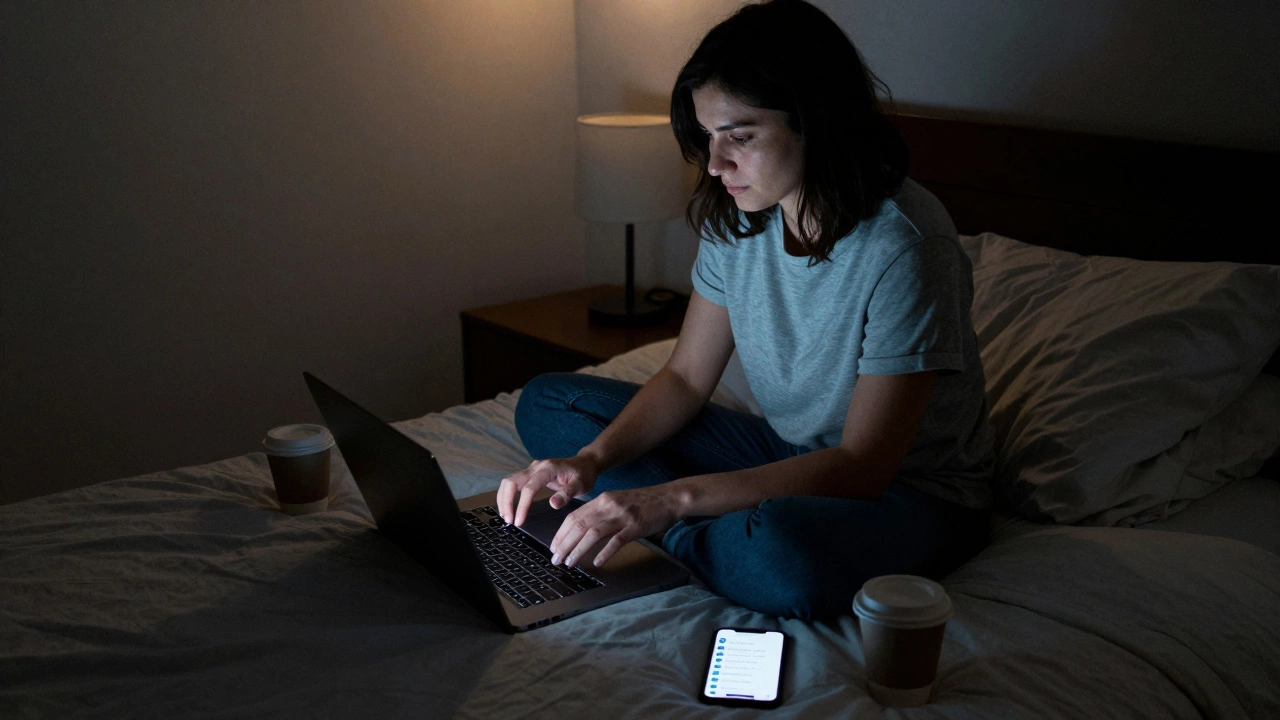

When the coronavirus hit in early 2020, sex workers around the world didn’t just wait for government help-they took to Twitter to share survival tips, organize mutual aid, and fight stigma. While mainstream media focused on lockdowns and hospital beds, sex workers were talking about rent, food, and how to stay safe without clients. Many had no safety net. No unemployment benefits. No paid sick leave. But they had each other-and Twitter became their lifeline.
Some turned to platforms like best escort in dubai to find alternative income streams, even as travel restrictions made in-person work nearly impossible. Others shared how they adapted: switching to virtual sessions, using encrypted apps for client screening, or bartering services for groceries. A thread from a sex worker in Nairobi went viral after she posted a list of 12 ways to survive without cash. It got over 80,000 likes. Not because it was dramatic. But because it was real.
They Didn’t Ask for Permission to Speak
Before the pandemic, sex work was still largely invisible in public discourse. Mainstream news rarely quoted sex workers directly. When they did, it was often through activists or law enforcement-not the people doing the work. Twitter changed that. Hashtags like #SexWorkIsWork and #CoronavirusAndSexWork gave space for direct testimony. A worker in Mexico City tweeted about using her phone to record client interactions as a safety measure. A trans sex worker in Toronto shared how she switched to selling handmade jewelry online after losing 90% of her income. These weren’t polished stories. They were raw, urgent, and unfiltered.
Organizations that had been pushing for decriminalization for years suddenly found their messages amplified. Groups like the Global Network of Sex Work Projects (NSWP) and the Red Umbrella Fund started posting daily updates in multiple languages. They shared links to emergency funds, legal hotlines, and harm reduction guides. For the first time, people who’d never thought about sex work were seeing it as a real job-with real risks and real needs.
Stigma Didn’t Disappear. But It Got Harder to Ignore
Even as people praised healthcare workers and delivery drivers as heroes, sex workers were still being called names online. Comments like “You chose this life” or “Why should we help you?” flooded replies. But the community pushed back. One viral thread from a Black sex worker in London listed all the jobs she’d held before sex work: dishwasher, temp secretary, warehouse picker. “I didn’t choose sex work because I’m lazy,” she wrote. “I chose it because it paid more than three minimum wage jobs combined and let me work when my kid was asleep.”
The conversation shifted. People started asking: If a nurse gets hazard pay, why not a sex worker? If a delivery rider gets PPE, why not someone doing virtual cam shows? The question wasn’t just about money-it was about dignity. And Twitter, for all its flaws, became the place where that dignity was defended in real time.

Community Support Became Survival
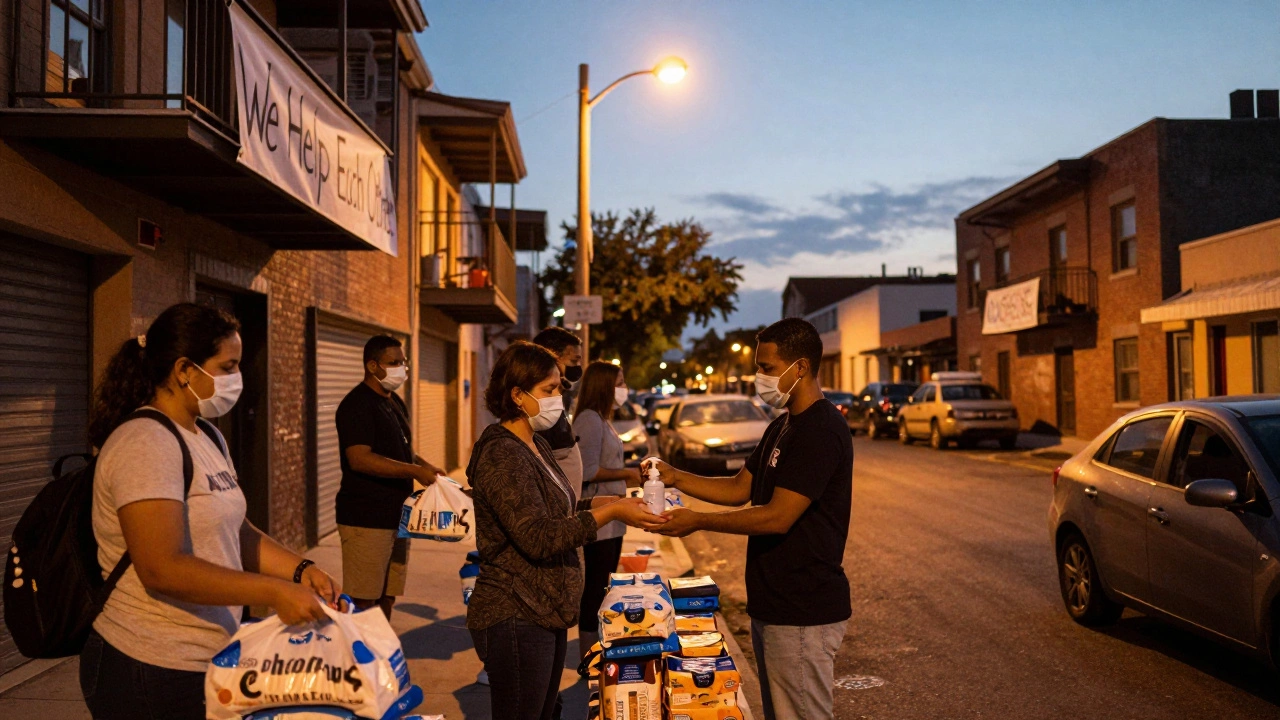
While governments moved slowly, sex workers built their own networks. In Brazil, a group called Redes da Maré started a WhatsApp-based food delivery system for workers in favelas. In South Africa, sex workers pooled money to buy masks and hand sanitizer and distributed them door-to-door. In the U.S., the Sex Workers Outreach Project (SWOP) raised over $2 million in emergency funds. Most of it came from small donations-from people who’d never met a sex worker before.
One of the most powerful moments came when a sex worker in India posted a photo of her empty fridge with the caption: “I haven’t eaten in two days. My client canceled. My landlord won’t wait.” Within hours, 47 people sent her money via PayPal. She didn’t ask for help. She didn’t beg. She just told the truth. And people responded.
Virtual Work Became a Lifeline
As in-person work vanished, many turned to online platforms. Camming sites like Stripchat and Chaturbate saw traffic spike by over 300%. Some workers started offering virtual companionship sessions-video calls where clients could talk, watch movies together, or just have someone listen. One worker in Thailand said she made more in a week doing this than she had in a month before the pandemic. “I’m not selling sex,” she said. “I’m selling presence.”
But not everyone had the tech or the privacy to make the switch. A sex worker in Jakarta told me she couldn’t do video calls because her family lived in the same house. She switched to audio-only sessions and started selling digital art. She used the money to pay for her daughter’s online school. “I’m not a hero,” she said. “I’m just trying to keep us alive.”
Policy Changes? Slow. But They Happened
By late 2021, the pressure from Twitter and other platforms started to move governments. New Zealand decriminalized all forms of sex work in 2021, citing pandemic-era advocacy as a turning point. In Canada, a court ruling allowed sex workers to legally advertise services online without fear of prosecution. In the U.S., cities like San Francisco and Seattle began including sex workers in emergency relief programs for the first time.
It wasn’t because politicians changed their minds overnight. It was because thousands of tweets, threads, and videos made it impossible to pretend sex work wasn’t happening-or that the people doing it didn’t matter.
The Aftermath: Still Fighting, Still Here
The pandemic didn’t end. But the conversation did shift. Sex workers are still on Twitter. Still sharing stories. Still organizing. The hashtag #SexWorkIsWork now has over 2 million uses. It’s not just a slogan anymore-it’s a movement.
Some workers returned to street-based work as restrictions lifted. Others stayed online. A few started collectives to train others in digital safety. One group in Nairobi now teaches young women how to use Patreon and OnlyFans. They call it “The Digital Survival School.”
And the links between sex work and digital survival? They’re stronger than ever. The same tools that let someone find a client in Dubai-whether through african escort dubai or other platforms-also let them reach a global audience, find community, and demand rights. It’s not perfect. But it’s progress.
Today, when you see a post about someone losing their job or struggling to pay rent, it’s harder to look away. Because you’ve seen their face. You’ve heard their voice. You know their name. And you know they’re not asking for charity. They’re asking for respect.
And if you’re reading this, you’re part of the audience that made that possible.
Some people still say sex work isn’t real work. But if you’ve ever paid for a service, hired a freelancer, or worked from home during a crisis-you’ve already been part of the same economy. The only difference? Sex workers were doing it before anyone else had to.
And they’re still here. Still talking. Still surviving. Still teaching.
Next time you scroll past a post about sex work, don’t just swipe. Read it. Share it. Ask why.
Because the next time a crisis hits, it won’t be just about who gets help.
It’ll be about who gets to speak.
And for the first time, sex workers are finally being heard.
They didn’t wait for permission. They just kept talking.
And now, the world is listening.
That’s the real story.
And it’s still being written.
One tweet at a time.
Meanwhile, in Dubai, some workers still use dubai escort site to connect with clients who value discretion and safety-especially when traditional channels are unreliable or unsafe.